
Graduates
- Scored 40+ in the IB and 7s in the subjects they teach.

Understand the New IB TOK Syllabus changes for 2020. Learn how the Exhibition and Essay work, plus mandatory Ethics, Themes, and Areas of Knowledge.
Autumn 2020 marks the start of the new Theory of Knowledge syllabus, so if you’re starting the IB this autumn you’ll be the guinea pigs for the newest version of TOK. There are some stark differences between the old TOK, and the revamped version, so reading through this guide is a surefire way to make sure that you know what’s coming! We’ll take you through the ins-and-outs of the whole syllabus to ensure you know how you’ll be tested and what you’ll be taught throughout your time in TOK. Hopefully this will alleviate some of the inevitable TOK confusion!
You are required to study the core theme:
Your teacher (or you), will then choose 2 additional themes that you must study, out of this list of 5:

The areas of knowledge are structures to explain the way in which knowledge is organised. The IB outlines 5 Areas of Knowledge that you must study:
So what’s the difference here between the old and new syllabus? Well, we’ve got fewer areas of knowledge, more defined themes, and a bigger focus on ethics. Previously ethics was an optional theme that many teachers chose to ignore due to its notorious difficulty to teach or write about, but now ethics is mandatory and is baked into all 5 of the areas of knowledge for the TOK 2020 syllabus.
Past students had a presentation and an essay as their assessment methods. Whilst the latter remains, the IB has replaced the presentation. The aim of the exhibition is to show how the content above exists in the world around us! This will be through creating an exhibition of three objects (or images of objects) and connecting them to one of the 35 “IA prompts”.
These include:
You can find a full list of the prompts on the IBO website as well as more about the syllabus changes!
Our advice is to start by thinking about which theme you’re going to root your exhibition in. The questions are clearly quite broad so it’s important to narrow your focus from the get-go. Make sure you recognise that the context of your objects is important – a picture of a woman from google is very different to a picture of your own Mum! Remember: this is an individual project and group work is not permitted so make sure you choose a topic that most interests you!
Whilst the 1600 word essay will be marked by IB examiners and will be worth 2/3rds of your TOK grade, the 950 word exhibition is marked by your teachers and then externally moderated (or checked) by the IB.
The TOK essay operates in much the same way as previous years. The IBO prescribes a set of six titles that all students must choose one of. Using the knowledge you have acquired across the TOK course, you have to write an essay focusing on specific knowledge questions to be explored via various areas of knowledge and real-world examples. It would be worth your while to see what kind of analysis is needed to reach the top marks in this assignment!
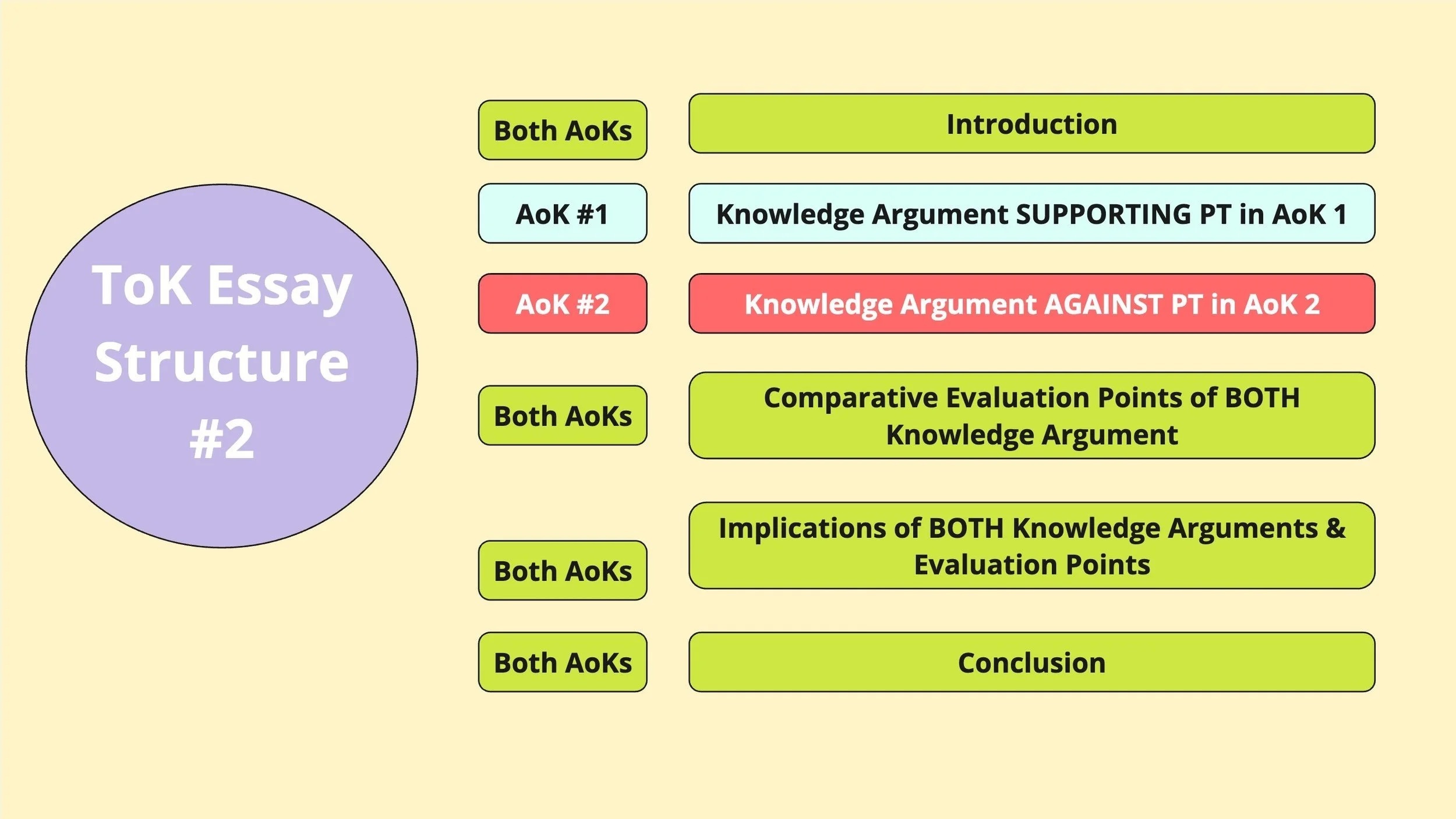
Master the IB TOK Essay structure with our complete guide. Get step-by-step outlines for your introduction, AOK paragraphs (claims/counterclaims), and conclusion to hit top markbands.
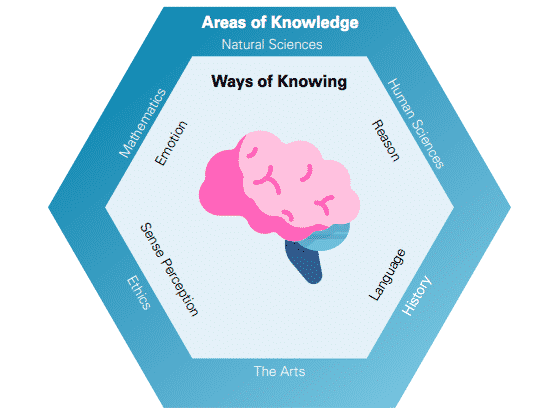
Master IB Theory of Knowledge (TOK) with our complete guide. Learn about the curriculum, areas of knowledge, and ace your TOK exhibition and essay with structure tips and examples.
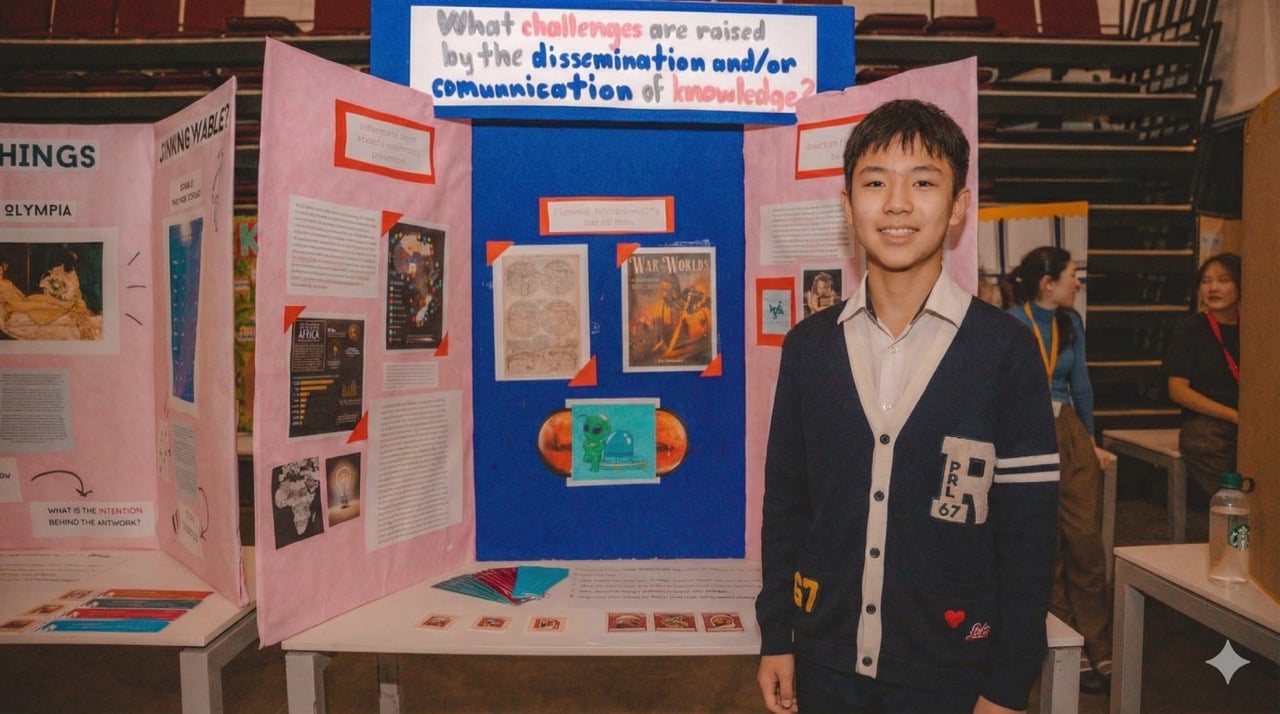
Master your TOK Exhibition! Get 35 diverse object ideas (tweet, toy, map projection) and guided questions to effectively link them to your IA prompts and core themes.
Master the IB TOK Exhibition (DP1) with this guide. Learn structure, view examples, and get tips on connecting real-world objects to knowledge questions for top marks.

Learn how to structure your IB TOK Essay step-by-step with this expert guide. Understand how examiners think and increase your TOK essay grading score with clear format tips.
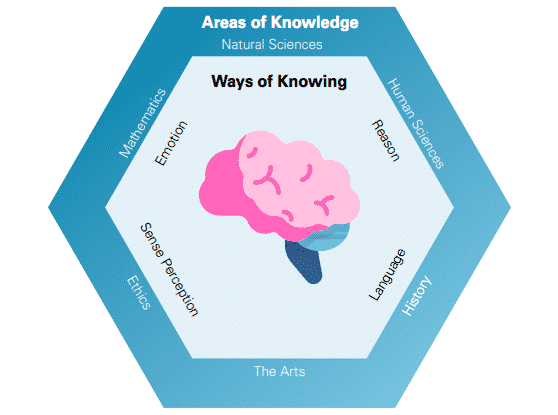
Master IB Theory of Knowledge Frameworks. Learn how to apply the structure of the Areas of Knowledge (AoKs) in your essays and presentations for top results.

Learn how to master the IB TOK Areas of Knowledge. Expert guide to understanding the AoK framework, features, and key debates for your TOK essay.
Struggling with your IB TOK Presentation? Discover 20 successful TOK Presentation Ideas with examples and expert tips to ace your internal assessment.
600+ handpicked tutors from across the world with the best background and experience.


Geography shouldn't limit your potential. Lanterna provides premium online IB tutoring across the world, being partners with 250+ IB schools worldwide. Our country guides explore how the IB landscape shapes up and how our tutoring supports it perfectly.

1 hour of online tutoring in any subject with a 40+ IB graduate who scored a 7 in your subject.
No strings attached. By filling out the form you accept our T&Cs.
We are IB experts committed to achieving your academic goals.