
Graduates
- Scored 40+ in the IB and 7s in the subjects they teach.

Understand IB TOK Basics: Learn the core concepts of Theory of Knowledge, including the 8 Ways of Knowing and Areas of Knowledge, with expert tips for success in the IB.
When it comes to TOK, there’s a lot of chat that precedes it: ‘ToK is pointless’… ‘ToK is a waste of time’… ‘ToK is mind-boggling’. Now, I’m not here to dispel these myths. When you’ve 6 subjects to worry about, theory of knowledge can sometimes seem the least of your worries. All being said and done though, I think it’s important to start the IB at least knowing what on earth it is. That way, you can hit the ground running (and maybe even enjoy ToK!). In this blog, we are looking at the basics of ToK so read on to get some pre-IB tips!
There are many reasons why ToK is central to the IB. In the 6 subjects you take, you spend most of your time gaining knowledge. Knowledge about the natural world, knowledge about humanity’s history, knowledge about our economy to give just a few examples. The purpose of ToK, therefore, is to connect all these different strands of knowledge and make you think critically about how we learn, and the value of what we learn. It might seem a bit fluffy, but ultimately ToK is at the heart of everything you study at school.
The term ‘knowledge questions’ is one that will soon be familiar to you as an IB student. Knowledge questions are at the core of ToK because they are the questions you ask to evaluate knowledge. Essentially, every knowledge question you meet is trying to answer the question ‘how do we know what we know?’. The more you get used to answering this question—the easier ToK will be.
In order to answer these knowledge questions, we need to have ways of analysing knowledge. One way in which the IB encourages you to do this is through ‘ways of knowing’.
There are 8 ways of knowing in ToK:
If you are trying to answer knowledge questions, you can use these ways of knowing to consider how you actually gained knowledge in the first place. When the apple fell on Isaac Newton’s head, for example, did he discover gravity as a result of reason, or did his sense perception (the apple must have hit pretty hard) play a greater role? When you see a beautifully sad painting do you use your emotions to gain knowledge of the artists’ sadness or do you use your own memory of previous sadness? Do you use both? Theory of Knowledge gives you a chance to answer these questions!
Areas of knowledge, affectionately known as AoKs, are essentially the different groups of subjects which contain certain types of knowledge. There are currently 8 Areas of Knowledge:
As you can see, these basically reflect the subjects you can study on the IB (with perhaps the exception of the last two). Biology, for example, would be a natural science and English part of the arts. The knowledge you learn as part of these subjects can vary massively. The natural sciences rely heavily on logic and experimentation to gain knowledge. The Arts, on the other hand, sees us gaining knowledge through emotion and imagination much more than reasons. Your ability to differentiate between AoK, and also see some similarities, will therefore be key to your study of Theory of Knowledge.
Often abbreviated to RLS, real-life situations are the things that make ToK interesting. They essentially are situations that you have experienced, witnessed or read about which connect abstract issues of knowledge with your life. An article about the changing use of the work ‘Lit’, for example, would bring into question language as a way of knowing and its validity. With an RLS, ToK would simply be an abstract mess.
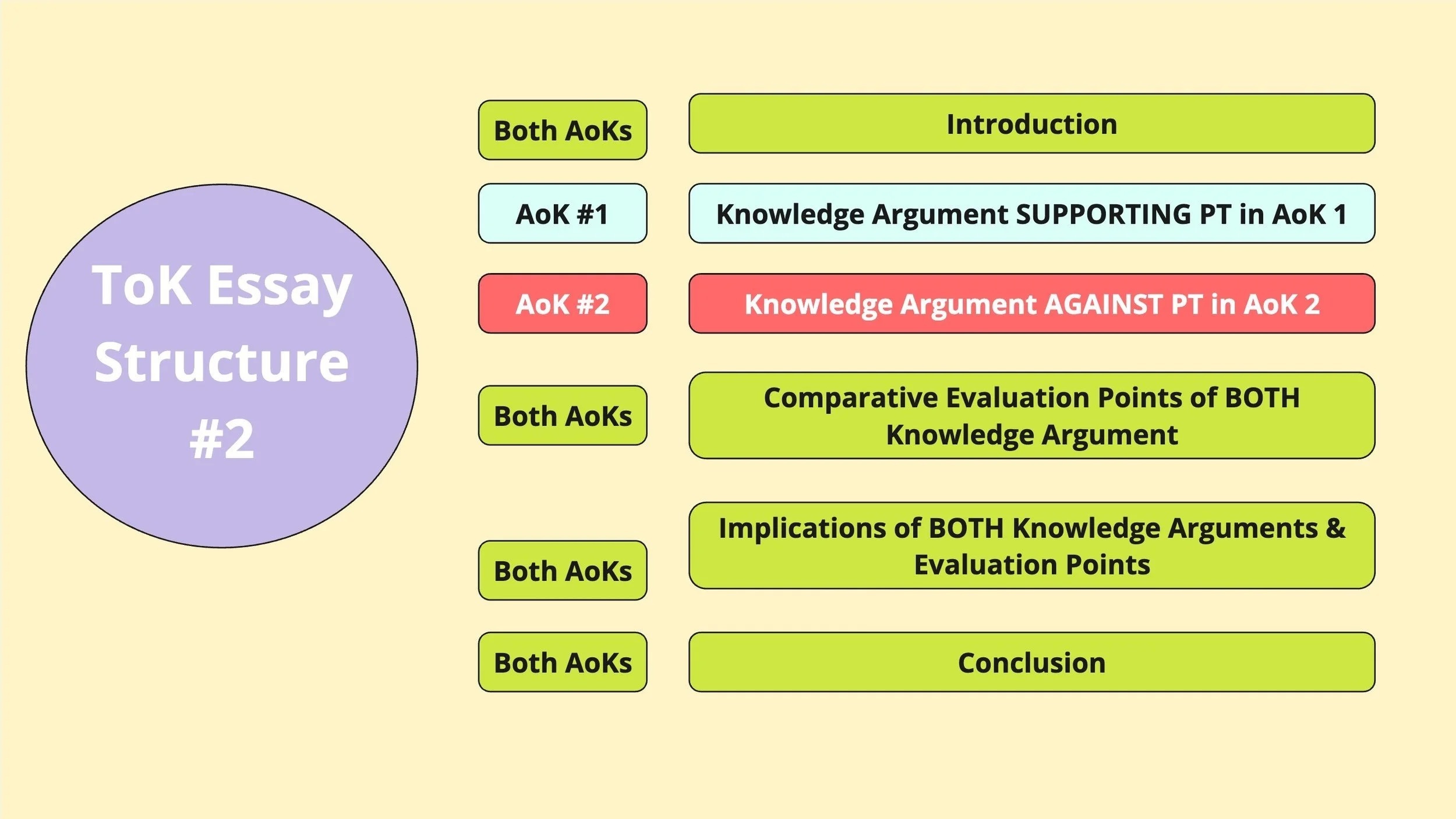
Master the IB TOK Essay structure with our complete guide. Get step-by-step outlines for your introduction, AOK paragraphs (claims/counterclaims), and conclusion to hit top markbands.
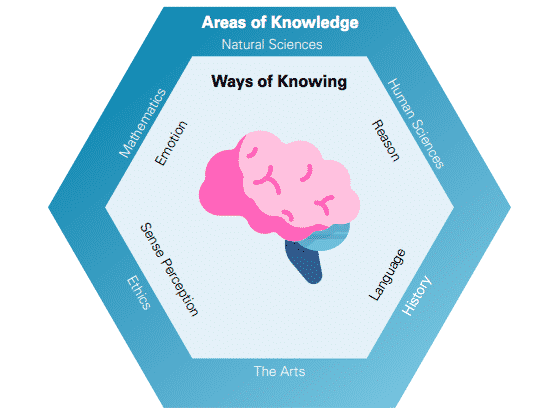
Master IB Theory of Knowledge (TOK) with our complete guide. Learn about the curriculum, areas of knowledge, and ace your TOK exhibition and essay with structure tips and examples.
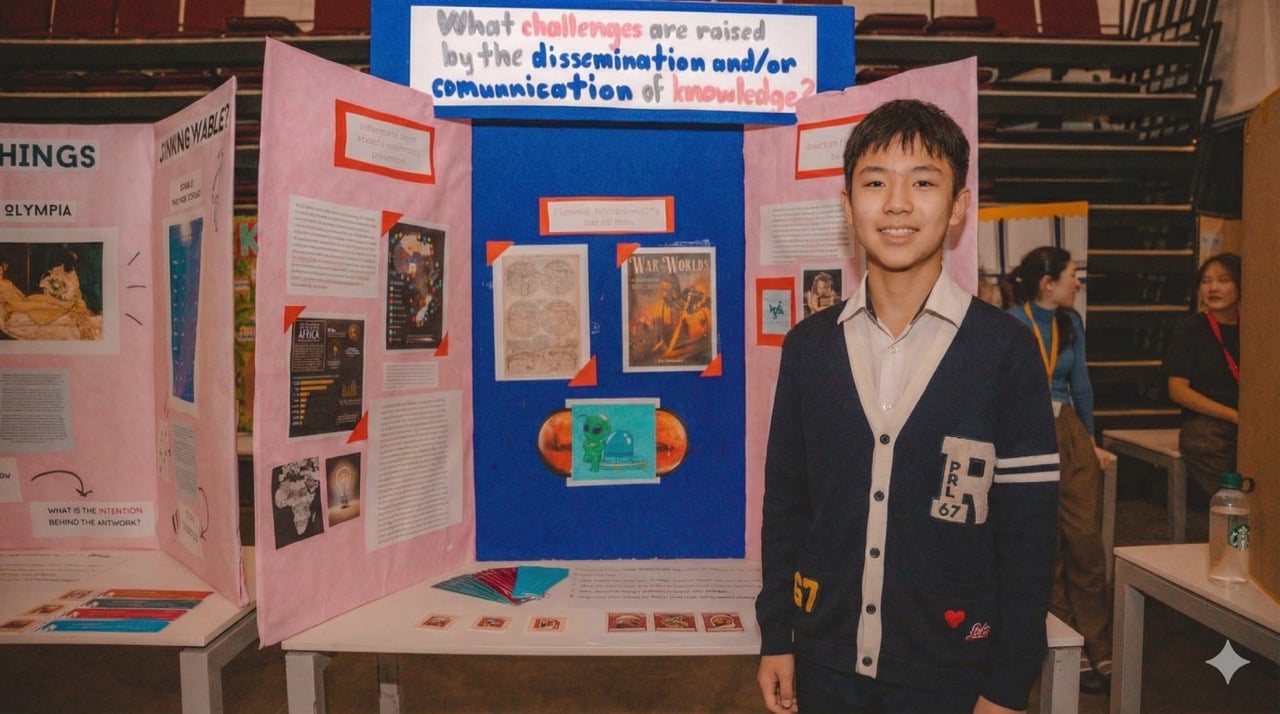
Master your TOK Exhibition! Get 35 diverse object ideas (tweet, toy, map projection) and guided questions to effectively link them to your IA prompts and core themes.
Master the IB TOK Exhibition (DP1) with this guide. Learn structure, view examples, and get tips on connecting real-world objects to knowledge questions for top marks.
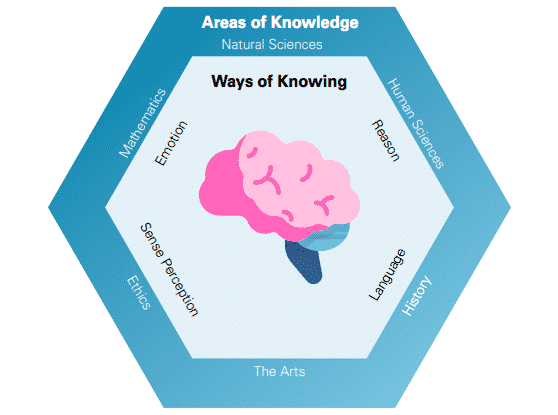
Master IB Theory of Knowledge Frameworks. Learn how to apply the structure of the Areas of Knowledge (AoKs) in your essays and presentations for top results.
Struggling with your IB TOK Presentation? Discover 20 successful TOK Presentation Ideas with examples and expert tips to ace your internal assessment.

Learn how to structure your IB TOK Essay step-by-step with this expert guide. Understand how examiners think and increase your TOK essay grading score with clear format tips.

Learn how to master the IB TOK Areas of Knowledge. Expert guide to understanding the AoK framework, features, and key debates for your TOK essay.
600+ handpicked tutors from across the world with the best background and experience.


Geography shouldn't limit your potential. Lanterna provides premium online IB tutoring across the world, being partners with 250+ IB schools worldwide. Our country guides explore how the IB landscape shapes up and how our tutoring supports it perfectly.

1 hour of online tutoring in any subject with a 40+ IB graduate who scored a 7 in your subject.
No strings attached. By filling out the form you accept our T&Cs.
We are IB experts committed to achieving your academic goals.