
Graduates
- Scored 40+ in the IB and 7s in the subjects they teach.

Unlock the IB Core Points: See the TOK & EE Matrix Explained! Visual guide for students & parents shows how B/C earns 2 points, demystifying the 3 bonus points.
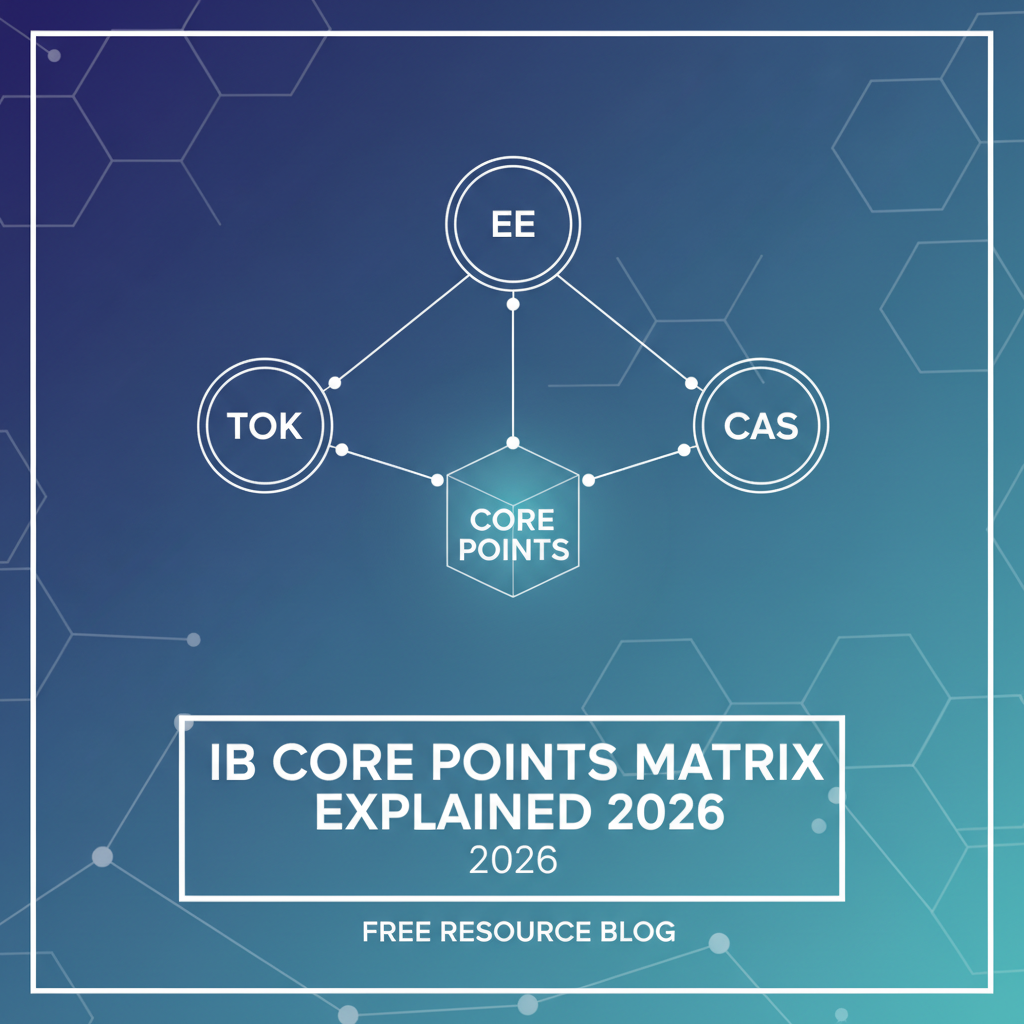
Navigating the IB Diploma can feel like solving a complex puzzle. Among the most crucial, yet often misunderstood, pieces are the coveted "core points" from your Extended Essay (EE) and Theory of Knowledge (TOK). These aren't just extras; they can be the decisive factor in securing your university offer or achieving your dream IB score.
This guide is designed to demystify the IB Core Points Matrix for both students and parents. We'll show you exactly how your TOK and EE grades combine to unlock those vital bonus points, making sure you're set up to maximise your potential.
By using this guide, you will be able to:
The IB Diploma is a holistic journey, and its "core" elements are central to this philosophy. Alongside your six academic subjects, you must complete three core components: the Extended Essay (EE), Theory of Knowledge (TOK), and Creativity, Activity, Service (CAS). While CAS is a mandatory pass/fail component, your EE and TOK are graded and collectively contribute up to 3 bonus points to your final IB Diploma score.
These 3 points are added to the maximum 42 points from your six subjects, making a perfect IB score 45 points. They represent a huge opportunity to show off your research skills, critical thinking, and reflective learning – qualities that universities absolutely love.
Your performance in the EE and TOK is individually graded on a letter scale from A (highest) to E (lowest). The IB then uses a specific matrix to combine these two grades and determine how many bonus points you get.
Here’s the breakdown:
| Extended Essay (EE) | Theory of Knowledge (TOK) | Bonus Points Awarded |
|---|---|---|
| A | A | 3 |
| A | B | 3 |
| B | A | 3 |
| A | C | 2 |
| C | A | 2 |
| B | B | 2 |
| B | C | 2 |
| C | B | 2 |
| A | D | 1 |
| D | A | 1 |
| B | D | 1 |
| D | B | 1 |
| C | C | 1 |
| C | D | 1 |
| D | C | 1 |
| D | D | 0 |
| E | Any Grade | Failing Condition |
| Any Grade | E | Failing Condition |
| Essentially, if you're going for the full 3 core points, you need at least a B and an A. |
To strategise effectively, let's quickly break down what each component actually is and what the examiners are looking for.
The EE is your chance to be a mini-expert. It's an independent, 4,000-word research paper on a topic you choose within an IB subject. This is where you can really geek out on something you find interesting, developing university-level research and writing skills along the way.
Key Assessment Criteria (30 marks total):
TOK is the "meta" part of the IB. It's a course that makes you step back and think about knowledge itself – how do we know what we claim to know? It's all about questioning assumptions and exploring different perspectives across your subjects.
TOK is assessed in two parts:
As an IB Coordinator, I've seen what works and what doesn't. Here are our top tips to lock in those bonus points:
The IB Core Points Matrix might seem intimidating at first, but it's really just a clear system to reward your hard work and intellectual curiosity. By understanding how the grades combine and by applying a smart strategy to both your EE and TOK, you can give your final IB score a significant boost.
Focus on quality, think critically, and those bonus points are yours!

What is the Extended Essay (EE)? Get a complete overview of this mandatory 4,000-word research paper in the IB Diploma Programme core.
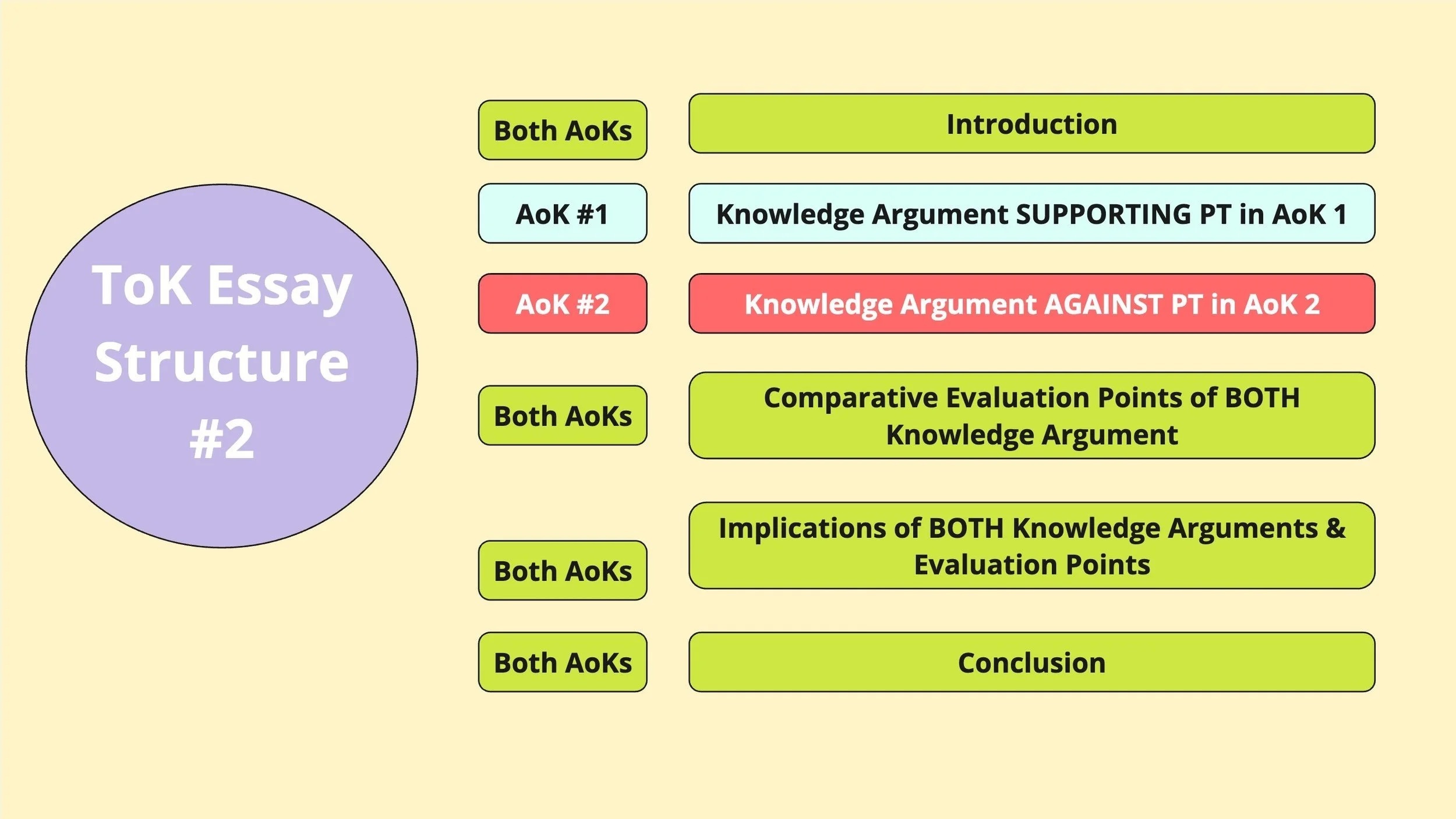
Master the IB TOK Essay structure with our complete guide. Get step-by-step outlines for your introduction, AOK paragraphs (claims/counterclaims), and conclusion to hit top markbands.
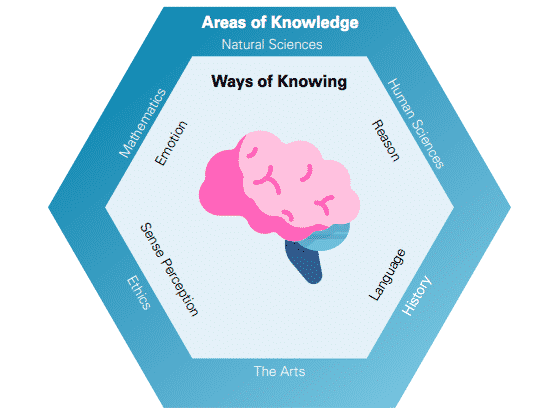
Master IB Theory of Knowledge (TOK) with our complete guide. Learn about the curriculum, areas of knowledge, and ace your TOK exhibition and essay with structure tips and examples.

Ultimate IB Program Guide: Explore PYP, MYP, & DP. Get clarity on benefits, workload, and global university recognition for students. Free guide from IB 7 grads.
What IB Score Do You Need for Top Universities? See the breakdown: 24 (Pass), 30-34 (Good), 38+ (Elite). Set realistic goals for top-tier universities.
Understand the IB Diploma Programme curriculum, subjects, and core elements (CAS, TOK, EE) with this expert guide. Learn how IB assessments and grading work.
Unlock A success with this comprehensive IB Extended Essay guide. Learn the 10 steps to writing a high-scoring EE, from research question to final draft.

Master the IB TOK Exhibition (DP1) with this guide. Learn structure, view examples, and get tips on connecting real-world objects to knowledge questions for top marks.
600+ handpicked tutors from across the world with the best background and experience.


Geography shouldn't limit your potential. Lanterna provides premium online IB tutoring across the world, being partners with 250+ IB schools worldwide. Our country guides explore how the IB landscape shapes up and how our tutoring supports it perfectly.

1 hour of online tutoring in any subject with a 40+ IB graduate who scored a 7 in your subject.
No strings attached. By filling out the form you accept our T&Cs.
We are IB experts committed to achieving your academic goals.