
Graduates
- Scored 40+ in the IB and 7s in the subjects they teach.

IB to UCAS Tariff Explained: Use this UK-focused guide to understand how your IB Diploma points translate to UCAS Tariff points for university applications and point-based offers.
Navigating university applications can feel like mastering an entirely new language, especially when translating your hard-earned International Baccalaureate (IB) Diploma points into the UCAS Tariff system for UK universities. As former IB graduates and expert educators at Lanterna Education, we understand this journey intimately. We've been there, and we've guided countless students through it.
This guide is designed to cut through the jargon, offering you a clear, insider's perspective on how your IB achievements translate into UCAS Tariff points for your university applications. We’ll empower you with the knowledge to confidently approach your UK university choices.
By using this guide, you will be able to:
The UCAS Tariff is a system used by some UK universities and colleges to numerically compare different qualifications that students present for entry. Essentially, it translates your grades from various Level 3 qualifications (like A-Levels, BTECs, and the IB Diploma components) into a single numerical score – UCAS Tariff points. This standardisation allows universities to set entry requirements that can be met by applicants with diverse educational backgrounds.
It's important to remember that while many universities use the UCAS Tariff, not all do. Highly selective universities, in particular, often prefer to make offers based on specific grades or overall IB Diploma points rather than solely on tariff points.
For IB students aiming for universities in the UK, understanding the UCAS Tariff is crucial for several reasons:
The International Baccalaureate Diploma itself does not receive a single UCAS Tariff point value. Instead, points are awarded for its individual components: Higher Level (HL) subjects, Standard Level (SL) subjects, and the core elements of the Extended Essay (EE) and Theory of Knowledge (TOK). CAS, while a compulsory part of the IB Diploma, does not directly contribute to UCAS Tariff points.
| IB HL Grade | UCAS Tariff Points |
|---|---|
| 7 | 56 |
| 6 | 48 |
| 5 | 32 |
| 4 | 24 |
| 3 | 12 |
| 2 or 1 | 0 |
| IB SL Grade | UCAS Tariff Points |
|---|---|
| 7 | 28 |
| 6 | 24 |
| 5 | 16 |
| 4 | 12 |
| 3 | 6 |
| 2 or 1 | 0 |
The combined grades for your EE and TOK contribute additional points based on this matrix:
| EE/TOK Grade | TOK A | TOK B | TOK C | TOK D | TOK E |
|---|---|---|---|---|---|
| EE A | 12 | 10 | 8 | 6 | 4 |
| EE B | 10 | 8 | 6 | 4 | 2 |
| EE C | 8 | 6 | 4 | 2 | 0 |
| EE D | 6 | 4 | 2 | 0 | 0 |
| EE E | 4 | 2 | 0 | 0 | 0 |
Let's imagine an IB student achieves the following:
Total UCAS Tariff Points = 48 + 48 + 32 + 28 + 24 + 16 + 10 = 206 UCAS Tariff Points
While the UCAS Tariff provides a useful conversion, it's crucial to understand that many UK universities, particularly highly competitive institutions and Russell Group universities, often make offers directly in terms of overall IB Diploma points and specific Higher Level subject grades. For example, an offer might be "38 points overall, with 6,6,5 in Higher Level subjects," rather than a UCAS Tariff point total.
Navigating the IB Diploma and university applications requires strategic thinking. Here's some insider knowledge from those who have been through it and helped others succeed:
Understanding how your IB Diploma translates to the UCAS Tariff is a powerful tool in your UK university application journey. By focusing on strong performance across your subjects and the IB Core, and by thoroughly researching specific university requirements, you'll be well-prepared to make informed decisions.
At Lanterna Education, we're dedicated to helping you achieve your academic aspirations. Our team of expert IB tutors and former graduates are here to provide the personalised support and insider knowledge you need to excel. Explore our resources and discover how we can help you unlock your full potential.
.png)
Master your IB subject choices for university. Get strategic advice on crucial SL vs. HL differences and expert pathways for STEM, Business, and Humanities degrees.

What IB Score Do You Need for Top Universities? See the breakdown: 24 (Pass), 30-34 (Good), 38+ (Elite). Set realistic goals for top-tier universities.
Learn how to ace your IB UCAS Application with this expert, step-by-step guide. Master your Personal Statement and ensure your predicted IB grades match your school's reference.
.png)
Learn how IB predicted grades work and why they're vital for university offers. Understand the role of mock exams and IAs, and discover what steps you can take.
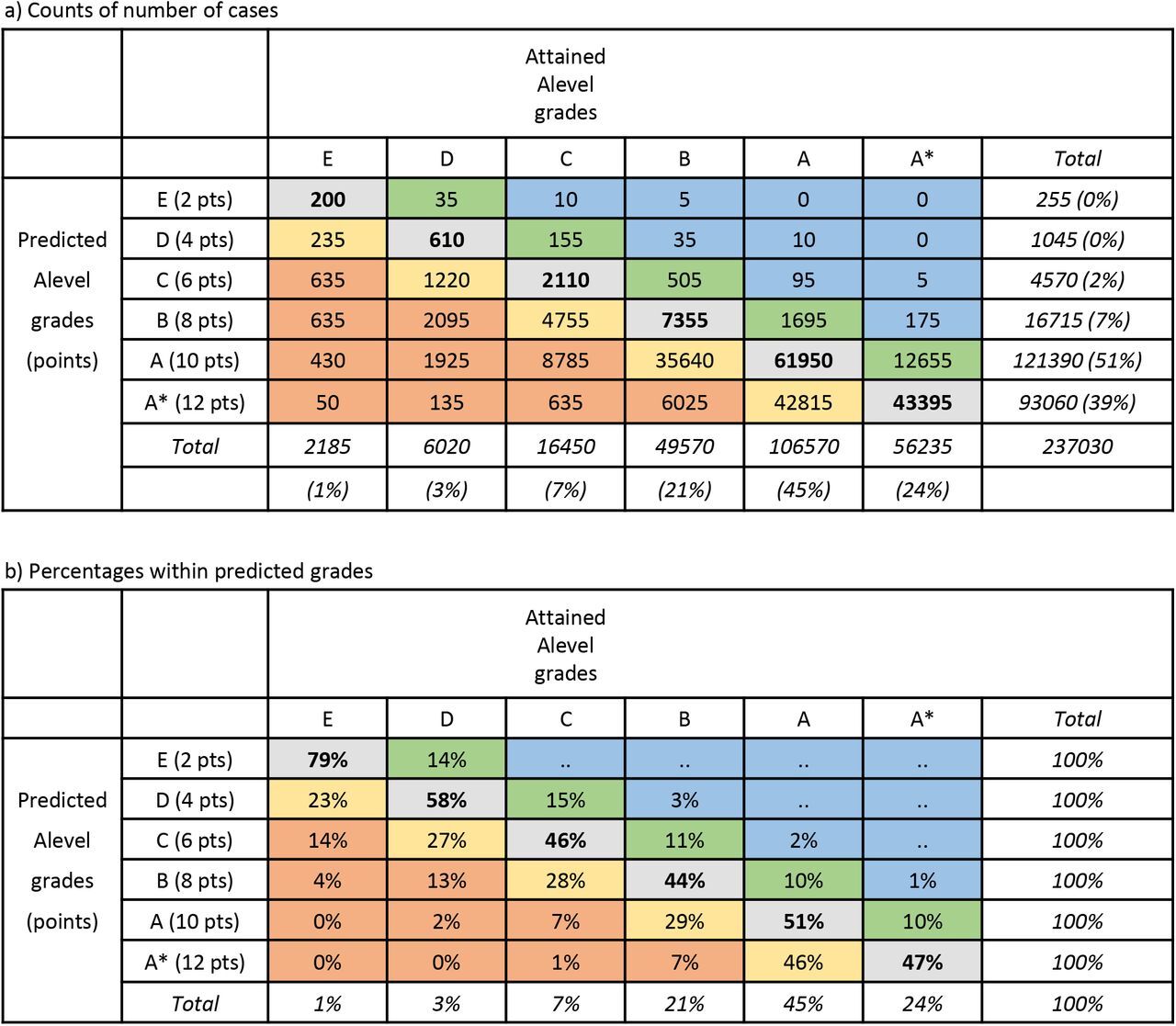
Learn how your IB predicted grades are calculated using mocks and IAs. Understand their crucial role for university offers and get expert tips for discussing them with teachers.

IB parents: Navigate college applications with this guide. Get expert tips on deadlines and proofreading while supporting your IB student's ownership of the process.
Decoding IB Scores: What's a 'Good' Score for Your Dream University? Find score ranges from minimum pass to competitive entry requirements for Oxford, Cambridge, and Ivy League.
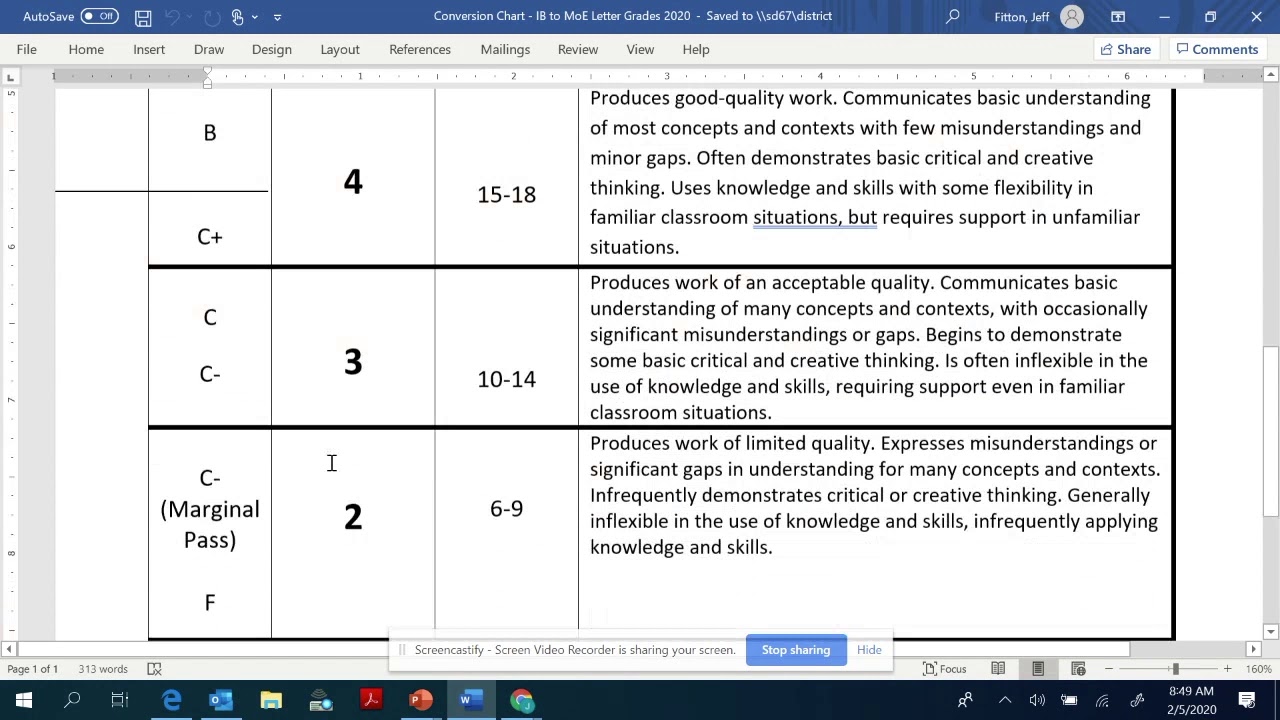
IB Report Card Guide for Parents: Decode "Predicted Grade," "ATL Skills," and the 1-7 scale. Learn why a '5' is a strong IB score and understand your child's progress.
600+ handpicked tutors from across the world with the best background and experience.


Geography shouldn't limit your potential. Lanterna provides premium online IB tutoring across the world, being partners with 250+ IB schools worldwide. Our country guides explore how the IB landscape shapes up and how our tutoring supports it perfectly.

1 hour of online tutoring in any subject with a 40+ IB graduate who scored a 7 in your subject.
No strings attached. By filling out the form you accept our T&Cs.
We are IB experts committed to achieving your academic goals.