
Graduates
- Scored 40+ in the IB and 7s in the subjects they teach.

Learn how to form the perfect IB TOK Knowledge Question. Understand the key characteristics and construction techniques for an open-ended, general question.

Hello again TOK-ers. In my first post of this series I talked a bit about HOW you find a real-life situation for your knowledge question. Continuing on with that theme, I thought I’d go into a little more depth about how you actually form that ever so tricky knowledge question.
So my IB warriors, it’s time to TOK this, once again.
When it comes to TOK, a knowledge question is pretty important. In fact, if you check out the IB TOK syllabus (which you should) it says this:
‘An essay or presentation that does not identify and treat a knowledge question has missed the point’.
Pretty harsh huh?
But also, very true. The entire point of TOK, if you haven’t figured it out by now, is to examine HOW we know something (if you want some more help to understand why the IB makes you do TOK, check this out).
Your knowledge question is also super important because it’s the entire basis for your essay or presentation. A good knowledge question is a big step towards a good bit of TOK work.
So, how do you make an epic knowledge question?
For those of you paying attention in my last blog, you’ll have noticed I spoke about working backward from your real life situation. So find a real life situation you think it TOK-able, and make a knowledge question from that.
I realise, however, that this is easier said than done. So, I thought I’d break it down some more.
Essentially, a knowledge question takes 4 forms:
And generally speaking, you can replace X, Y or Z with either an AoK or WoK.
When constructing a knowledge question, though, it’s important to remember a few things. Specifically, the characteristics of a knowledge question:
(Remember, you can have a look here if all this talk of WoKs and AoKs is confusing)
So, when looking at your real-life situation, think about how you can apply these things to make a knowledge question. For example, you might be interested in Physic. From studying physics in class, you might be interested in the Higgs-Boson theory. As a result, you might have found an article about potentially proving the Higgs-Boson theory definitively.
So, taking this as a base for a knowledge problem, you might first come up with something like this:
‘How can a physicist know whether the Higgs Boson exists?’
The problem with this question—as you can see—is it’s too specific. It talks directly about a scientific theory. It is, however, a good starting point.
From this, you can think—what is the Higgs Boson? Well, it’s a theory or prediction. From this prediction about physics, we can gain knowledge. And then we can think what AoK it relates to: here, clearly science. Taking these elements, we can then rework it into an actually knowledge question:
‘How do scientists use predications to produce knowledge’.
These knowledge questions tick all the criteria: it’s about knowledge, it’s open-ended, and it’s general. A perfect beginning to a TOK assignment!
T.O.K out.
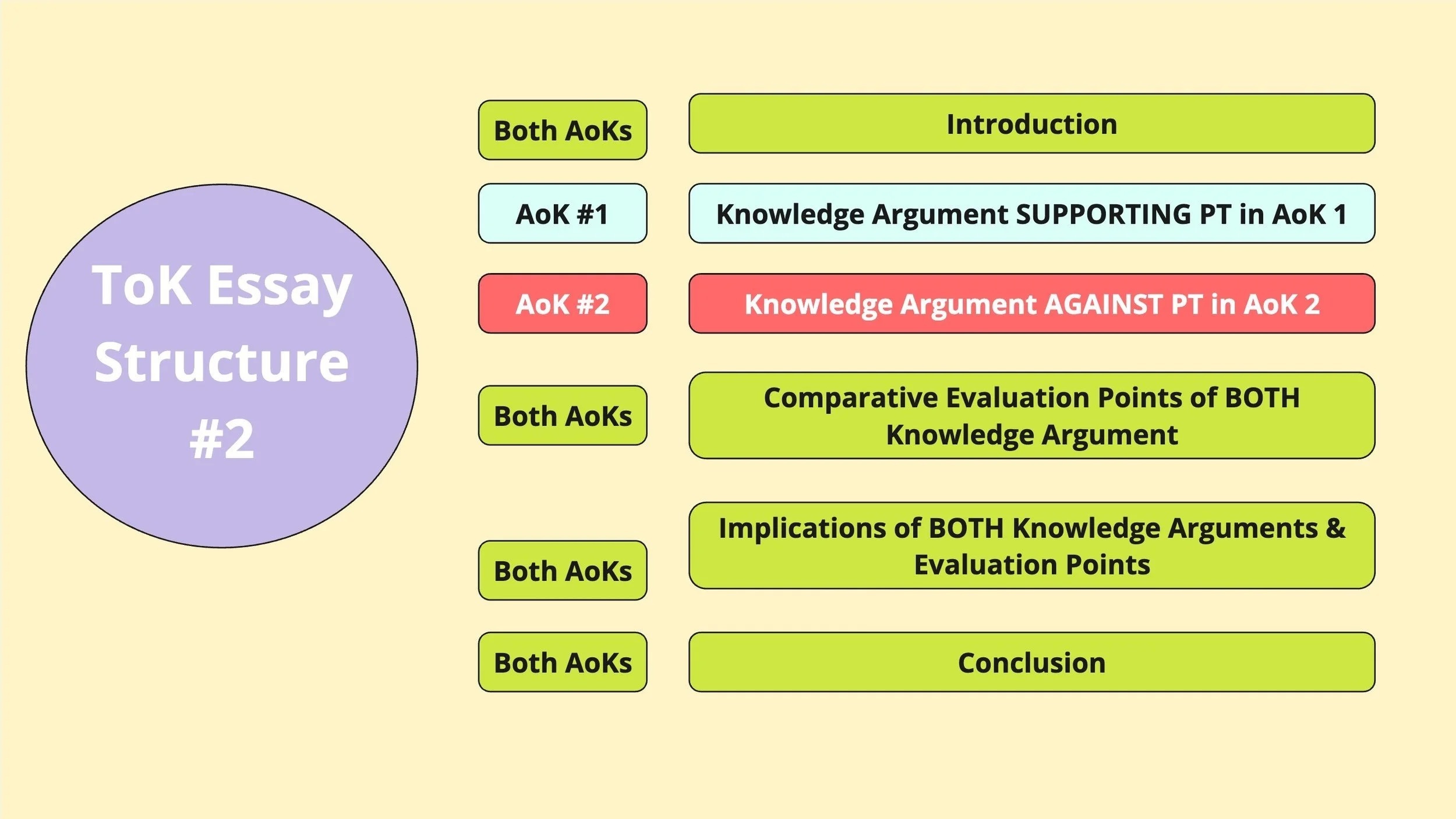
Master the IB TOK Essay structure with our complete guide. Get step-by-step outlines for your introduction, AOK paragraphs (claims/counterclaims), and conclusion to hit top markbands.
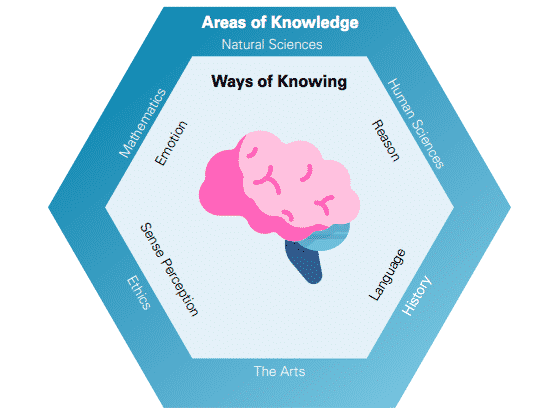
Master IB Theory of Knowledge (TOK) with our complete guide. Learn about the curriculum, areas of knowledge, and ace your TOK exhibition and essay with structure tips and examples.
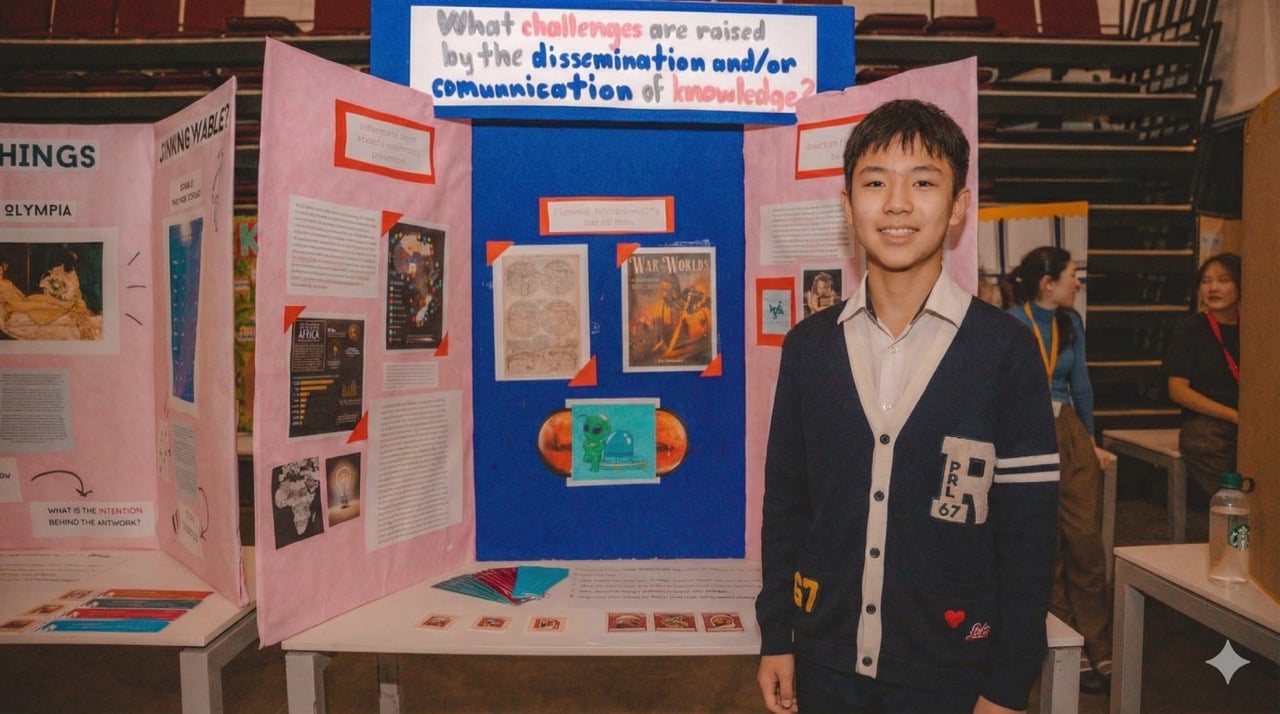
Master your TOK Exhibition! Get 35 diverse object ideas (tweet, toy, map projection) and guided questions to effectively link them to your IA prompts and core themes.
Master the IB TOK Exhibition (DP1) with this guide. Learn structure, view examples, and get tips on connecting real-world objects to knowledge questions for top marks.

Learn how to structure your IB TOK Essay step-by-step with this expert guide. Understand how examiners think and increase your TOK essay grading score with clear format tips.
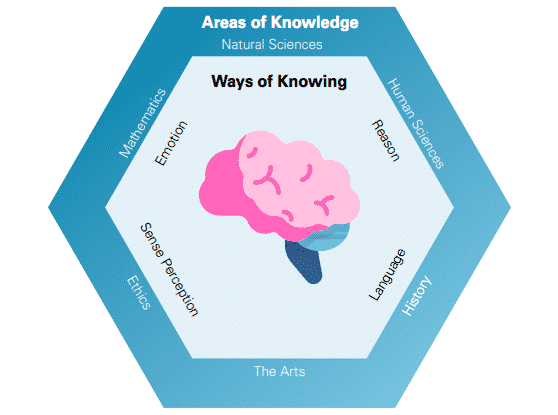
Master IB Theory of Knowledge Frameworks. Learn how to apply the structure of the Areas of Knowledge (AoKs) in your essays and presentations for top results.
Struggling with your IB TOK Presentation? Discover 20 successful TOK Presentation Ideas with examples and expert tips to ace your internal assessment.

Learn how to master the IB TOK Areas of Knowledge. Expert guide to understanding the AoK framework, features, and key debates for your TOK essay.
600+ handpicked tutors from across the world with the best background and experience.


Geography shouldn't limit your potential. Lanterna provides premium online IB tutoring across the world, being partners with 250+ IB schools worldwide. Our country guides explore how the IB landscape shapes up and how our tutoring supports it perfectly.

1 hour of online tutoring in any subject with a 40+ IB graduate who scored a 7 in your subject.
No strings attached. By filling out the form you accept our T&Cs.
We are IB experts committed to achieving your academic goals.