
Graduates
- Scored 40+ in the IB and 7s in the subjects they teach.

Get the ultimate Pre-IB Summer Reading List: Handpicked books (fiction & non-fiction) to build the critical thinking, cultural capital, and analysis skills essential for English, TOK, and Humanities.
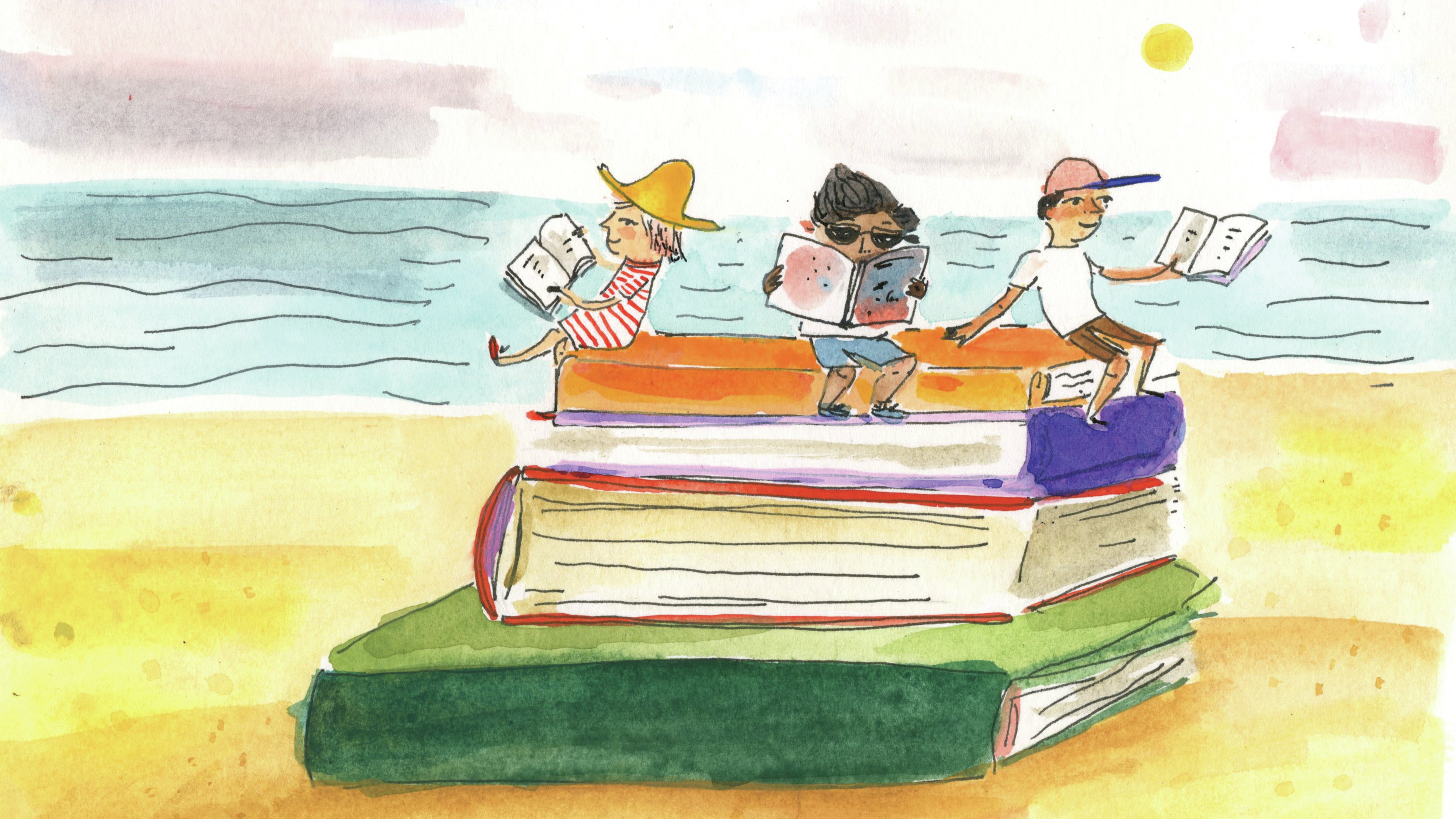
Starting the IB Diploma Programme is a huge step up. The summer before you begin is a golden opportunity to get a head start, not by pre-learning course content, but by building the foundational skills that will set you up for success. This isn't just a reading list; it's a training ground for the type of thinking the IB demands.
By engaging with these books, you'll start to:
Think of this as your first step towards becoming a true IB student. Let's dive in.
This is your foundation. Every IB subject, from Physics to History, requires you to think critically, question assumptions, and build logical arguments. These books are like a gym for your brain, training you to spot flawed reasoning and make better decisions.
The IB philosophy is all about creating "international-mindedness." This means understanding and appreciating a wide range of cultures, histories, and perspectives. These books will expand your worldview far beyond your own experience, giving you the context needed to excel in subjects like History, English, and Language A.
Success in IB English isn't just about understanding the plot; it's about analyzing *how* the author creates meaning. This means looking at narrative structure, character development, symbolism, and stylistic choices. Reading these texts will give you a feel for the kind of deep analysis you'll be expected to perform.
TOK can seem mysterious before you start, but it's really about one central question: "How do we know what we claim to know?" It's the spine of the IB Diploma. These books will introduce you to the core questions of TOK and get you thinking critically about the nature of knowledge itself.
Don't look at this list as a chore. See it as an exploration. You don't need to read everything here. Our recommendation? Pick one book from each of the four categories. This will give you a balanced, high-impact preparation. The goal is to walk into your first IB class feeling curious, confident, and ready to engage with the big ideas that await you.
Master the IB before you start! Get a concise list of top academic skills (critical thinking, essay writing, and more) to develop now and gain a head start in the IB Diploma Programme.
.png)
Master IB note-taking with the ultimate guide. Discover top methods (Cornell, mind maps) and review essential apps (Notion, OneNote) to boost revision and study efficiency.

Prepare for the IB Diploma with these top 10 tips from an expert tutor. Learn how to assess subjects, improve study habits, and stay organized for success.

Understand the International Baccalaureate (IB) program: its diploma structure, core components (Extended Essay, CAS, TOK), curriculum, and benefits for university success.

Ease the MYP to DP "shock"! Guide for parents and students on the transition, highlighting the shift from criterion-based to exam-heavy assessment and suggesting summer prep.

Learn how to make the best start to your IB year with expert revision tips. Master time management, establish a routine, and find balance for academic success in the Diploma Programme.

Study for the IB Diploma over summer effectively without burning out. Get expert IB revision tips on scheduling, realistic planning, and focusing on your weakness areas.
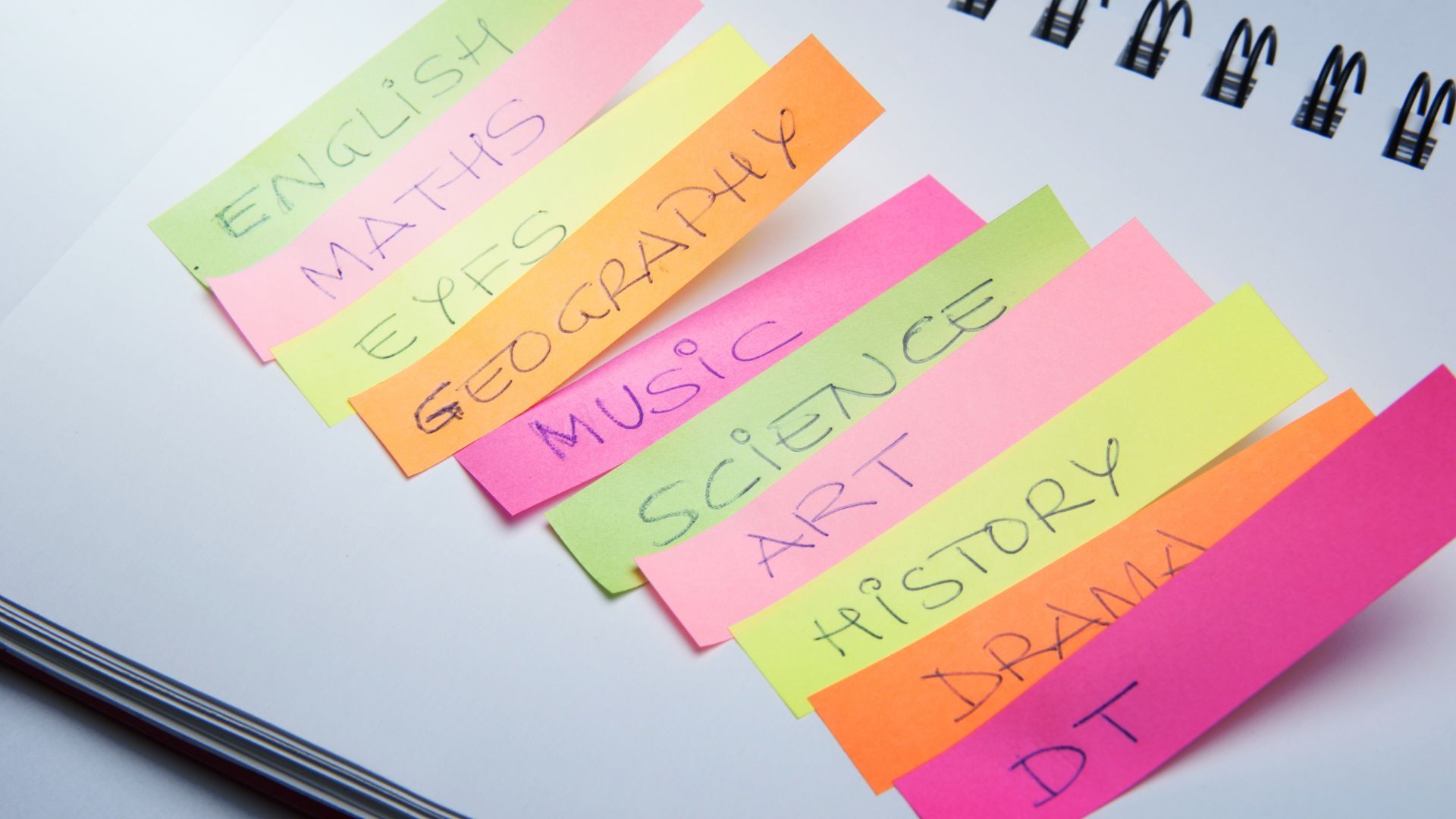
Choosing IB subjects? Align your HL/SL choices with university requirements & career goals. Our strategic guide helps you avoid common mistakes for IB success.
600+ handpicked tutors from across the world with the best background and experience.


Geography shouldn't limit your potential. Lanterna provides premium online IB tutoring across the world, being partners with 250+ IB schools worldwide. Our country guides explore how the IB landscape shapes up and how our tutoring supports it perfectly.

1 hour of online tutoring in any subject with a 40+ IB graduate who scored a 7 in your subject.
No strings attached. By filling out the form you accept our T&Cs.
We are IB experts committed to achieving your academic goals.