
Graduates
- Scored 40+ in the IB and 7s in the subjects they teach.

Master the IB TOK essay with insider advice on deconstructing prescribed titles and choosing real-life examples. Learn how to structure arguments for maximum impact.
As an IB graduate and former examiner, I know the unique challenge and immense reward of the Theory of Knowledge (TOK) essay. It’s more than an academic exercise; it’s a chance to sharpen your critical thinking and explore profound questions about knowledge itself. Many students find it daunting, but trust me, with the right strategy, top marks are absolutely within your reach.
This guide, inspired by our exclusive Lanterna Education webinar, distills years of experience into actionable insights. Think of it as the insider knowledge you need to excel. Let's demystify the TOK essay and get you equipped for success.
This guide is designed to transform your approach, moving you from confusion to clarity and confidence. By the end, you will be able to:
Your journey to an outstanding TOK essay begins here. Don't just read the question; dissect it. Every single word matters.
Identify and define the core concepts in your chosen PT. For example, if a title asks about "objectivity in historical knowledge," your first job is to explain what "objectivity" and "historical knowledge" mean in the context of your essay. Acknowledge that these terms can be ambiguous—that’s a sign of sophisticated thinking.
Every PT is a gateway to a deeper Knowledge Question (KQ). Your essay's purpose is to explore these KQs. A common mistake is treating the PT as a simple statement to agree or disagree with. Instead, ask yourself: "What is this PT really asking me about how we know what we know?"
Set the boundaries for your essay. Which Areas of Knowledge (AOKs) are most relevant? You must discuss at least two. Acknowledging the limitations of your scope isn't a weakness; it's a critical strength.
The TOK essay is not a descriptive report; it's an argument. You need to present a clear thesis, support it, and critically evaluate other perspectives.
Each body paragraph should present a clear claim that directly addresses the PT. This is your primary point for that part of the essay, linked to one of your chosen AOKs.
This is crucial for top marks. After making a claim, you must explore a counter-claim. This shows intellectual balance and a deep engagement with the complexities of knowledge.
For every claim and counter-claim, you must provide justification. Explain how and why you've arrived at your position, drawing on your understanding of TOK concepts. Don't just state things; explain your reasoning.
RLEs are the lifeblood of your essay. They ground your abstract discussion in concrete reality, making your arguments far more compelling.
A well-structured essay is easy for the examiner to follow. Think of it as giving them a roadmap to your thinking.
| Section | Purpose & Content |
|---|---|
| Introduction | State the PT, define key terms, present your thesis, and outline the AOKs you will explore. This is your roadmap. |
| Body Paragraph 1 (AOK 1) | Develop your first claim and counter-claim, supported by a strong RLE, focusing on your first chosen AOK. |
| Body Paragraph 2 (AOK 2) | Develop your second claim and counter-claim, supported by another strong RLE, focusing on your second AOK. |
| Conclusion | Restate your thesis in a new light, summarize your main arguments, and offer a final, nuanced thought on the broader implications of your conclusion. Do not introduce new arguments here. |
To hit the top bands, you need to move beyond just "good" and demonstrate sophisticated engagement. Here's the checklist:
Even great students make these mistakes. Be the one who doesn't.
The TOK essay is your chance to shine intellectually. By dissecting your PT, building robust arguments with powerful RLEs, and structuring for impact, you are well on your way to an exceptional grade.
At Lanterna Education, we know every student's journey is unique. Our expert IB tutors specialize in providing personalized guidance that transforms understanding into top-tier performance. If you're looking for tailored support to master this pivotal component of the IB Diploma, our TOK specialists are here to help.
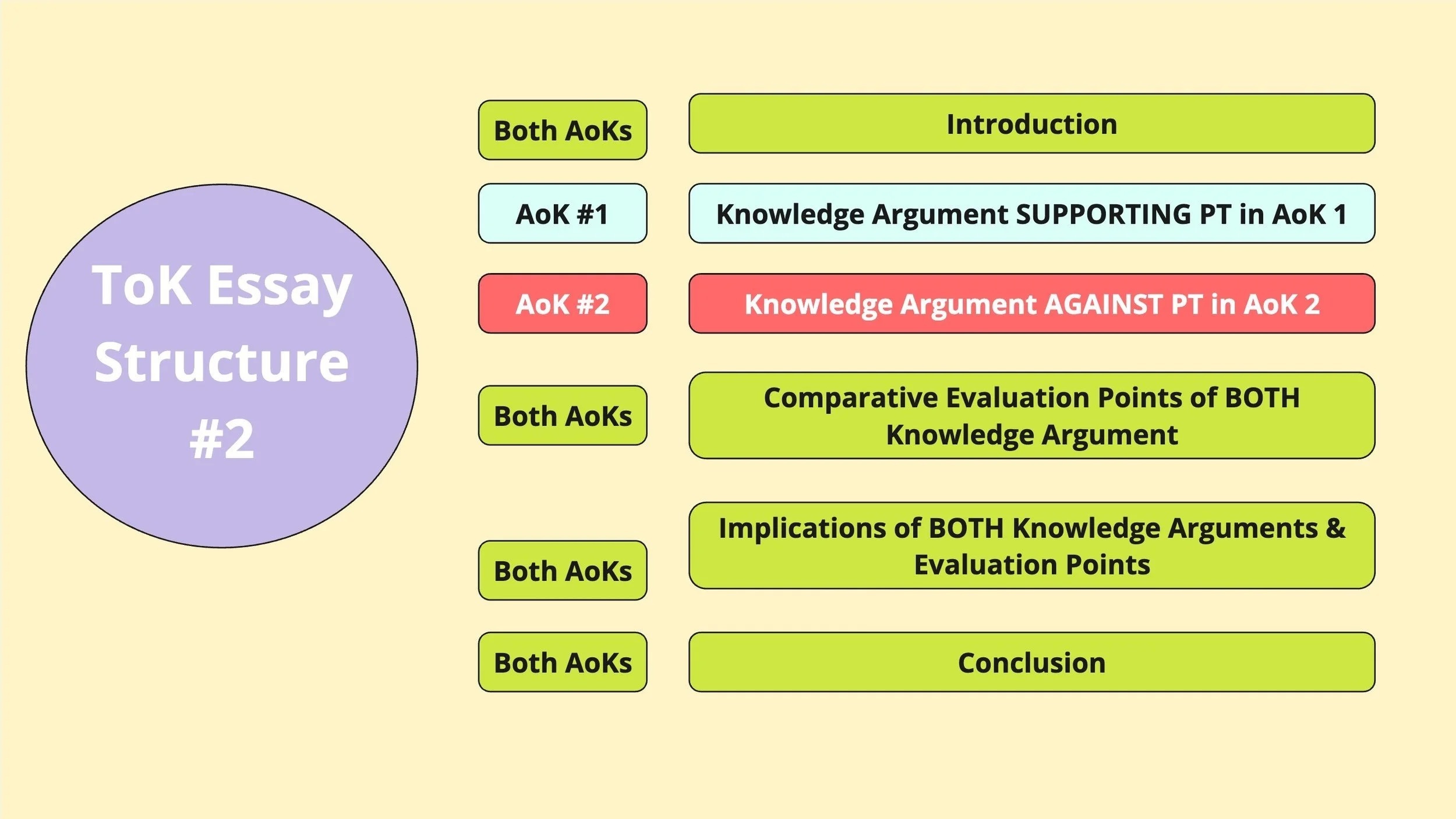
Master the IB TOK Essay structure with our complete guide. Get step-by-step outlines for your introduction, AOK paragraphs (claims/counterclaims), and conclusion to hit top markbands.

Learn how to structure your IB TOK Essay step-by-step with this expert guide. Understand how examiners think and increase your TOK essay grading score with clear format tips.
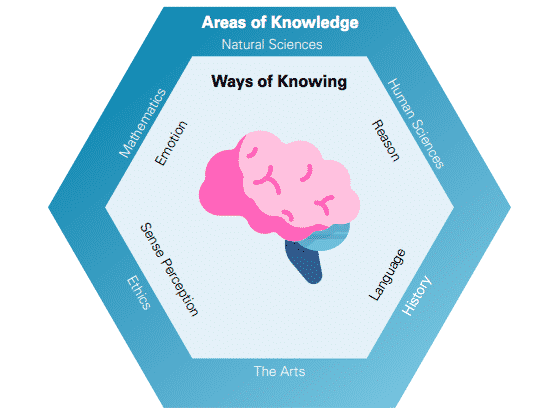
Master IB Theory of Knowledge (TOK) with our complete guide. Learn about the curriculum, areas of knowledge, and ace your TOK exhibition and essay with structure tips and examples.

Learn how to get a top grade in IB ToK with expert tips covering Shared/Personal Knowledge, Ways of Knowing, and Areas of Knowledge. Achieve those crucial core points!

Master the IB TOK Essay with this complete expert guide. Learn how to structure your paper, understand grading criteria, and use critical thinking skills to achieve your diploma.

Write your IB TOK Essay with confidence. Learn essential tips on choosing a title, understanding IB criteria, and structuring your argument for top marks.

Learn how to write the IB TOK Essay using expert tips on terminology (WOKs/AOKs) and structure. Master this challenging assignment with confidence.

Understand IB TOK Basics: Learn the core concepts of Theory of Knowledge, including the 8 Ways of Knowing and Areas of Knowledge, with expert tips for success in the IB.
600+ handpicked tutors from across the world with the best background and experience.

Geography shouldn't limit your potential. Lanterna provides premium online IB tutoring across the world, being partners with 250+ IB schools worldwide. Our country guides explore how the IB landscape shapes up and how our tutoring supports it perfectly.

1 hour of online tutoring in any subject with a 40+ IB graduate who scored a 7 in your subject.
No strings attached. By filling out the form you accept our T&Cs.
We are IB experts committed to achieving your academic goals.