
Graduates
- Scored 40+ in the IB and 7s in the subjects they teach.

Ace your IB Philosophy exam with 5 expert revision tips. Learn how to master complex theories, organize notes, and get a philosopher's routine for top grades.

Are you overwhelmed by IB Philosophy’s complexity, and you just can’t get your head around all the different theories? Read these 5 top tips to get yourself back in gear for acing your next philosophy exam!
Have you ever read a paragraph in a text, taken a breath, and then the terrible realisation hits that you didn’t actually understand a word? Never fear, we’ve all been there! You just need to get an overview of the text.
Resources like Wikipedia and YouTube can be great places to start, but they can be limited. For a more comprehensive overview of a longer book, for example Renee Descartes Meditations (“I study IB, therefore I am”), take a look at companion books. These will take you through the context of the work, and explain the original text in simple language.
Trust us, these can be a lifesaver for texts you need to know inside-out. Once you have an overview, the text should be a whole lot easier to get through!
One of the best ways to check if you properly understand a philosophical idea is to talk with your classmates. If you can explain it to someone else in simple terms, then congrats, you’ve got it!
Discussions are a central part of philosophy. If there’s something you don’t understand, perhaps a classmate does. You can also run your essay ideas past each other – everyone’s a winner!
It’s easier said than done admitting that you don’t get something in front of others, but asking questions is imperative if you want a top grade in IB Philosophy. Your teacher doesn’t expect you to master all the complex theories at the first time of asking!
Plus, we’ve all been there before when a classmate asks a question that we ourselves wanted to ask, but were too afraid to. It’s time to become that person that speaks up when you don’t understand. It’s almost guaranteed that others wanted to ask the same too.
As Socrates said, “Wisdom begins in wonder.“
Sometimes the sheer amount of different theories can be overwhelming. Therefore, organised notes are imperative!
That feeling when a philosophical idea finally *clicks* into place is incredibly satisfying, but often, if you don’t keep notes, you’ll gradually lose this understanding. Write your notes in such a way that if you read them again, it would make just as much sense as when you first understood it.
Unfortunately, there’s no one-size-fits-all method, and this takes a bit of practice. In the long run, however, it’s one of the most valuable skills you can have, and is useful in other academic subjects too!
If you really want a top grade in philosophy, this one’s for you: Never. Stop. Reading.
Those who get the best marks in IB Philosophy are those who read regularly – beyond the minimum required for the course. Try reading around the philosopher you’re studying – which other views do they have? Which theories could be used as counterarguments?
Reading one short article or a few pages every day is a great target to begin with. Before long, you’ll be speaking fluently in the language of philosophy – those exams will be a breeze!
There we have it, 5 essential tips for IB Philosophy! Stick to these and you’ll boost your grade in no time.
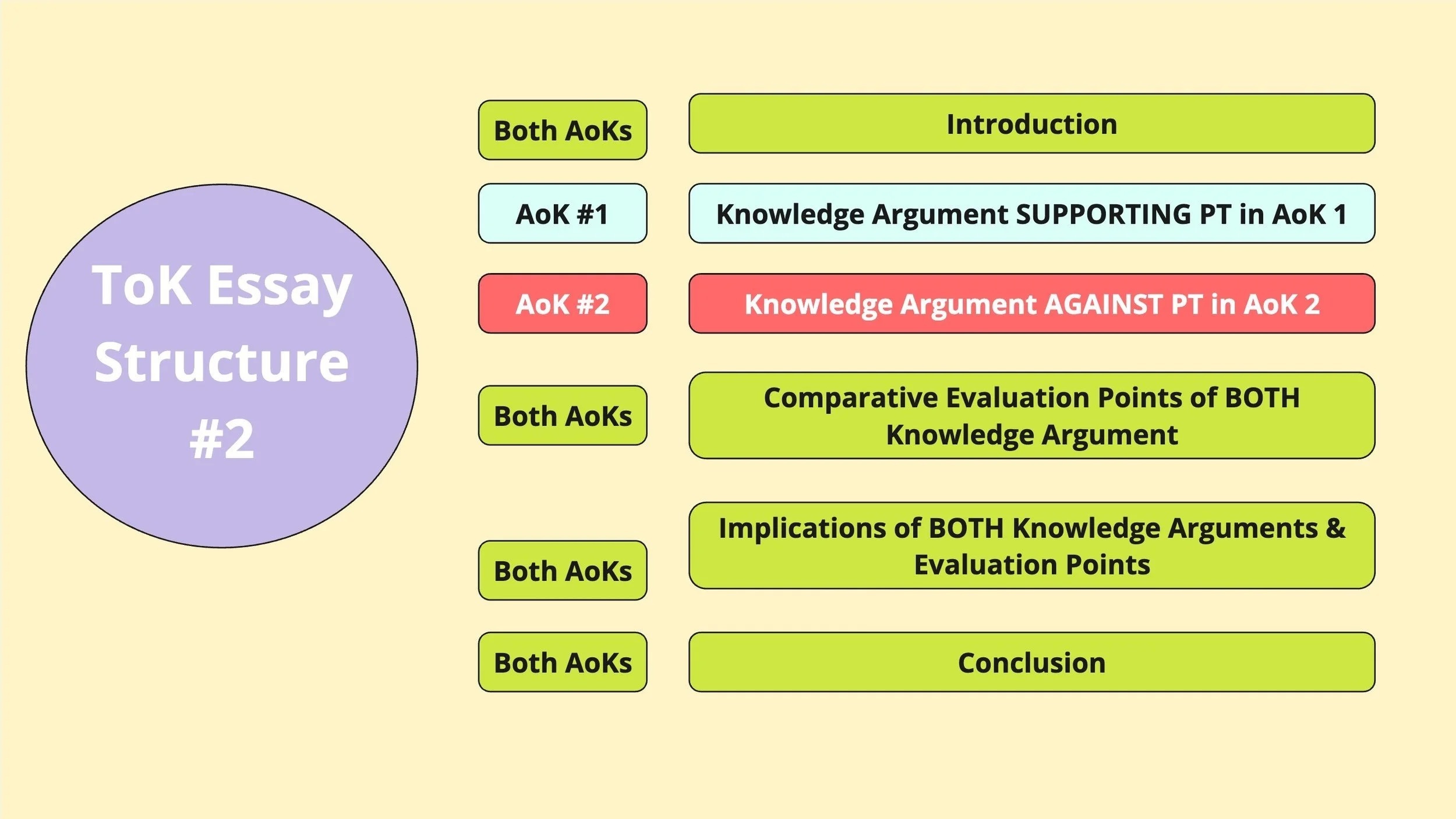
Master the IB TOK Essay structure with our complete guide. Get step-by-step outlines for your introduction, AOK paragraphs (claims/counterclaims), and conclusion to hit top markbands.
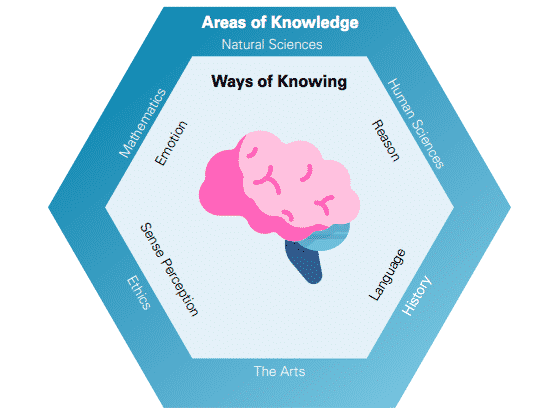
Master IB Theory of Knowledge (TOK) with our complete guide. Learn about the curriculum, areas of knowledge, and ace your TOK exhibition and essay with structure tips and examples.

Master the IB TOK Exhibition (DP1) with this guide. Learn structure, view examples, and get tips on connecting real-world objects to knowledge questions for top marks.

Master the IB TOK Essay with this complete expert guide. Learn how to structure your paper, understand grading criteria, and use critical thinking skills to achieve your diploma.

Learn how to get a top grade in IB ToK with expert tips covering Shared/Personal Knowledge, Ways of Knowing, and Areas of Knowledge. Achieve those crucial core points!
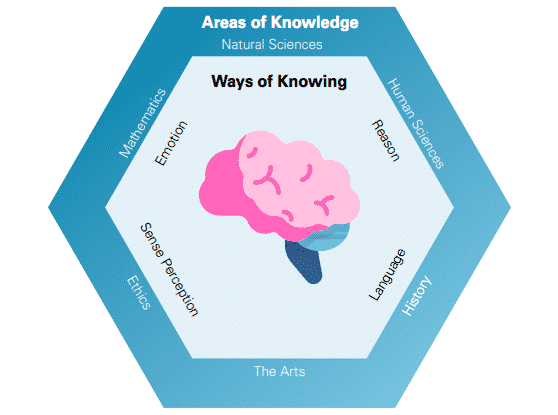
Master IB Theory of Knowledge Frameworks. Learn how to apply the structure of the Areas of Knowledge (AoKs) in your essays and presentations for top results.

Master IB History with this 5-step recipe for success! Learn expert revision tips on managing facts, planning essays, and leveraging your strengths for top IB grades.

Learn how to get a 7 in IB Economics with 5 essential revision tips from an expert tutor, covering textbooks, structured notes, pre-planned essays, diagrams, and examples.
600+ handpicked tutors from across the world with the best background and experience.


Geography shouldn't limit your potential. Lanterna provides premium online IB tutoring across the world, being partners with 250+ IB schools worldwide. Our country guides explore how the IB landscape shapes up and how our tutoring supports it perfectly.

1 hour of online tutoring in any subject with a 40+ IB graduate who scored a 7 in your subject.
No strings attached. By filling out the form you accept our T&Cs.
We are IB experts committed to achieving your academic goals.